


The Beginning:
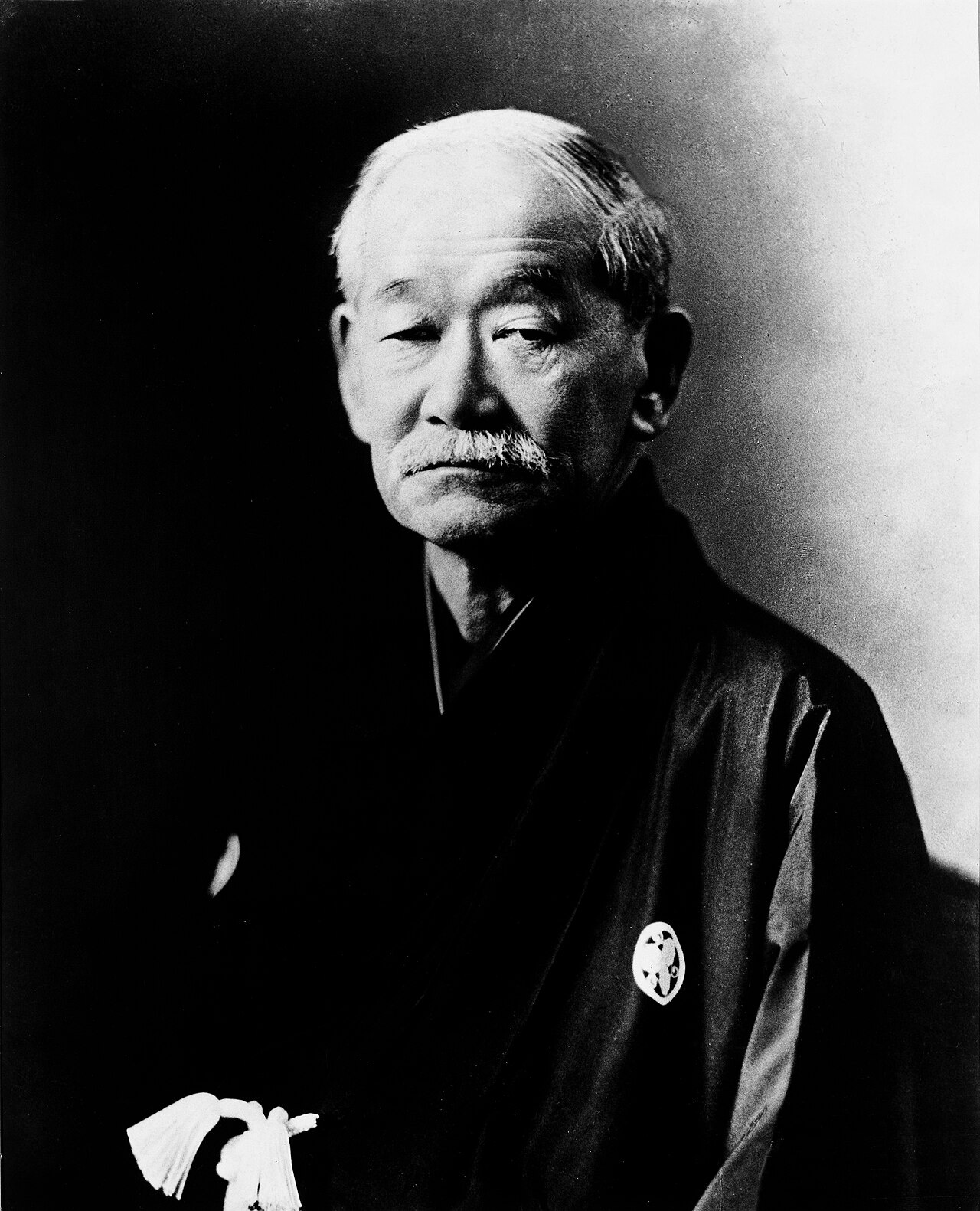
Kanō Jigorō, the founder of modern Judo, was an absolute pencil neck of a child. As an adolescent he stood 5 ft 2 in and weighed only 41 kg. A nerd who kept an elegant diary in the English language and enthusiastically attended out-of-school maths classes as a hobby, he soon became a victim of bullying. One day a family friend and bodyguard to the shogun showed him a few techniques. Young Kanō was hooked and vowed to study Jiu Jitsu and become a force to be reckoned with. After some frustration with his lack of success in sparring, he started to introduce other arts into his repertoire in order to give new looks. Most notably, Sumo and Catch Wrestling (which is a founding force in many grappling arts - but that’s a subject for another time).
The Kōdōkan
In 1882 Kanō Jigorō formed the Kōdōkan Judo institute. He managed to grow it to 1,000 black belts by 1911, but before he could do this, he and his students would have to go to war.
The early years of the Kōdōkan were besieged by frequent dojo storming from all comers, but most notably the Totsuka school, the most dominant Jiu Jitsu school at the time. Offended by the success of the Kōdōkan and their introduction of modern training methods, students of Totsuka frequently stormed the Kōdōkan asking for challenge matches.
This whole martial arts movie-esque cascade of awesomeness led to a series of contests including The Yayoi Shrine Martial Arts Tournament. Details here are murky, but the Kōdōkan won out and was adopted by the Police department as their official martial art.
One match stands out - the fight between Nakamura Hansuke (of Totsuka) and the absolute mad man Yokoyama Sakujirō (of the Kōdōkan). In a match that lasted nearly an hour, Sakujirō attempted to keep the match to his strength (stand-up grappling) with about 50% success. The match left no clear victor, but the antagonists were both so tired the referee had to pry their hands open to separate them. Yokoyama Sakujirō later said that he thought he was going to die and that he was willing to do so. His tenacity was so great during the match that he earned himself the nickname Oni (demon).
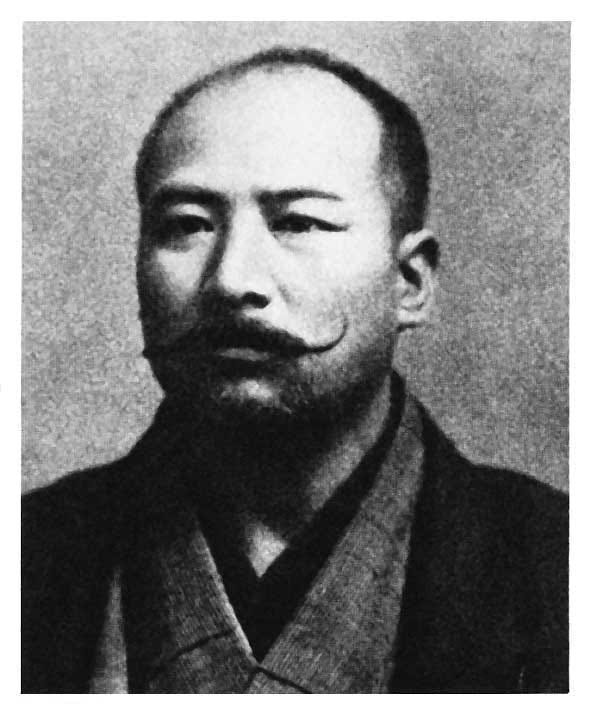
Whilst there is little material outlining the physical training methods of the early Kōdōkan, there are some anecdotes about The Demon’s approach. He was known to swing an iron club and tie ropes around logs and rocks before going for runs dragging them behind him. He would ambush his students to ensure they stayed switched on and ready for battle at all times.
Masahiko Kimura - Quantity has a Quality All of Its Own
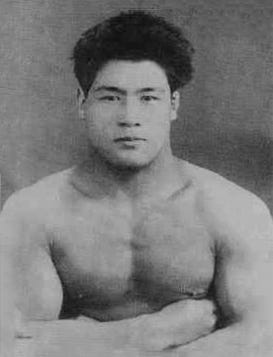
It is with Kimura that Judo strength and conditioning really takes a step into extreme brutality. An alumnus of both the Kōdōkan and Tokyo Police Dojo, Kimura was a 5th Dan at 15. He was undefeated from 1936-1950, winning national championships multiple times long before Judo became an Olympic sport. His only break during this time was for military service and even the post-war ban on Judo didn’t stop him competing (and winning) in secret competitions. After cleaning up in Japan, he went on an international seek-and-destroy mission that included his most famous victory, where he nearly ripped off Hélio Gracie’s arm in front of the Brazilian President and 20,000 of his angry countrymen who were throwing eggs and no doubt chanting “Você vai morrer!” This glorious victory led to the naming of the Kimura Lock, a move immortalised and taught in Gracie academies across the world till this day.
“If my opponents train twice as hard as others, then I will train three times as hard as others”
Kimura believed in what he called “triple effort” and trained up to 9 hours a day. This insane training and its undeniable success should give the science-based lifting crowd something to meditate on instead of catastrophizing about fatigue and exercise redundancy.
Kimura did the following daily.
1,000 Push Ups
200-500 Squats
1,000 Makiwara strikes
200 Squats with 150-200 lbs
1 km of Bunny Hops
1 hour of Osoto Gari against a tree. ONE HOUR OF A SINGLE THROW
In addition to this, he would do 100s of repetitions of drills with opponents and often randori against “23 or 24” 5th Dan judoka.
Ignore Limitations. Multiply Effort. Embrace Brutality.